

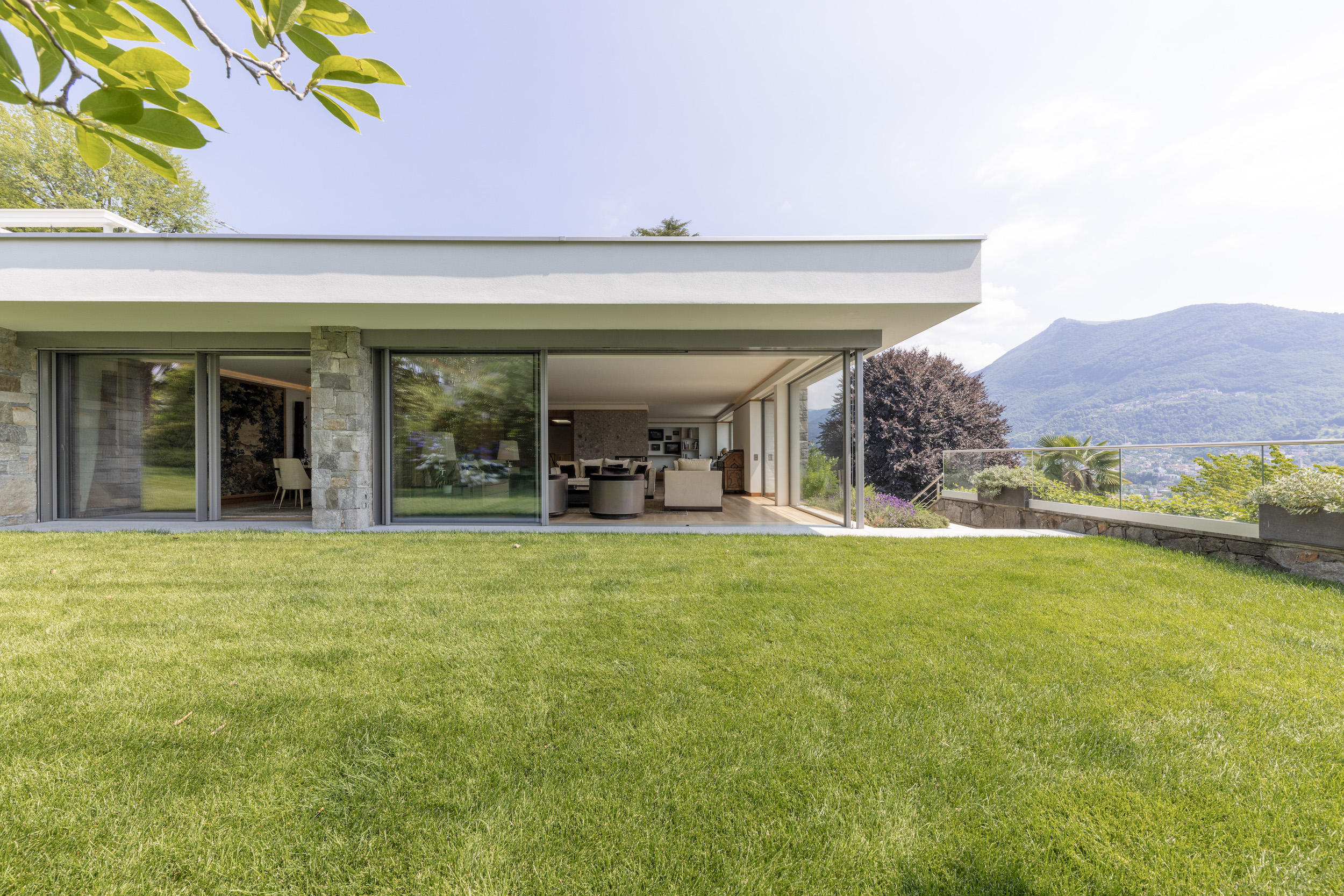
Swiss design doesn’t shout. It doesn’t dazzle with glitter or demand your attention with clever tricks. Instead, it invites you in quietly with balance, restraint, and an almost meditative clarity. It is a kind of design that doesn’t age or chase trends, and in doing so, it becomes timeless. In an age saturated with visual overload, Swiss aesthetic values remind us that design is not just about what you add, but what you choose to leave out.
The power of less, the discipline of the grid, and the beauty of negative space; these aren’t just stylistic choices. They are principles rooted in precision and purpose.
A Foundation Built on Order

Swiss design emerged in the mid20th century as a response to the chaos of the modern world. It offered structure. Think of Josef MüllerBrockmann’s poster designs or the modular logic of Helvetica. Their clarity wasn’t cold, it was calming. This was design for communication, not decoration.
Max Bill, the artist, architect, and designer, famously said, “I am of the opinion that it is possible to develop an art largely on the basis of mathematical thinking.” His work exemplified this belief rational, precise, yet never sterile. There’s a kind of quiet elegance in the way form meets function without friction.
More Than Just a Look

Swiss design is often mistaken for minimalism, but it’s more nuanced than that. It’s not about emptiness, but intentionality. Typography isn’t just a style element, it’s a voice. Layout isn’t just arrangement, it’s logic made visual. The goal isn’t to decorate, but to clarify.
Designers like Lora Lamm brought this clarity to life in her poster work for Milanbased brands in the 1950s and 60s. Her visuals are soft, feminine, structured, and full of character, proving that restraint doesn’t mean compromise.
Remarkable Swiss Designers

Today, brands like Vitra continue this legacy. Known for collaborating with some of the most influential designers of the 20th century; such as Charles and Ray Eames, Jean Prouvé, and Verner Panton—Vitra blends Swiss sensibility with international innovation. The Eames Lounge Chair, for example, is more than iconic; it’s a study in how comfort and form can coexist in perfect balance.
Vitra’s campus in Weil am Rhein also serves as a design destination, showcasing architecture by Herzog & de Meuron and Zaha Hadid. It reflects the Swiss commitment to design as a living, evolving discipline.
Contemporary Swiss designers are also carrying this ethos forward. Studios like BIGGAME in Lausanne create everyday objects that feel effortless but are thoughtfully refined. Industrial designer Adrien Rovero crafts poetic, intelligent pieces that balance utility with quiet charm. Claudiabasel, a graphic design studio in Basel, brings the Swiss tradition of visual clarity into striking, modern contexts.

Even in web and interface design, echoes of the Swiss grid system persist. Clean lines, structured hierarchy, and legible fonts aren’t nostalgic, they’re practical. Helvetica and Univers remain global staples not because they’re trendy, but because they work.
Even in web and interface design, echoes of the Swiss grid system persist. Clean lines, structured hierarchy, and legible fonts aren’t nostalgic, they’re practical.
A Call for Stillness
As an interior designer, I often return to these principles. With over-styled rooms and algorithm-driven trends, Swiss design feels like an anchor. It doesn’t ask for attention, it earns it.
Perhaps the most radical thing we can do in design today is to hold back. To pause. To trust that clarity, restraint, and thoughtful structure can still resonate.
Swiss design shows us that less isn’t just more, it’s enduring.